
A New Culture of Learning, ADL Program, Advising, Collective, ePortfolios, Goals, Learner's Mindset, Learning, Learning Community, Professional, Reflecting

Authentic Ownership


Throughout the ADL Program, we have “unlimited agency” to explore our purpose and passion, which reignite imagination and creativity (Thomas & Brown, 2011). My desire to question and explore ways to bring advising innovation to life in genuinely significant ways taps into a form of play. Creating an authentic and significant learning environment extends the same learning opportunity to advisees as they follow their passions and imagine their futures. 

By illustrating how learners today engage with the world around them through acts of questioning, the use of play, peer-to-peer learning, and learning in interest-based “collectives,” Thomas and Brown (2011) argue the case for the modernization of education. As a learner who currently directly benefits from the fundamental elements (inquiry and play) these authors identify, this learner agrees that it is time for a complete evolution.

Finally, real-world applications of the ideas outlined throughout the book reveal what significant learning environments and learning look like when they happen in this world of unlimited access while creating meaningful and personal learning (Thomas & Brown, 2011).

So, how can a new culture of advising create a meaningful environment for adult graduate students to learn in accelerated online programs?

Personal experience in peer-to-learning collectives as an aspect of the ADL program has reignited a passion for tapping into the strengths and passions of various people from diverse backgrounds and perspectives. The wide variety of our assignments and interpretation of the material is fascinating. Bringing that same opportunity for collaboration and cohort identity into the advising environment will benefit student learning.

The advising role is much like the mentor relationship described by Thomas and Brown. My purpose is to empower students on how to find information so they can make informed decisions about their path. By guiding students through the “where” of information gathering to locate policies and departmental requirements, I hope to enrich their ability to think critically and search for the questions they need to ask and the resources they need to seek to find or confirm tips and information they need. Douglas Thomas (2012) inspires me to “help people connect their passions to the things they need to learn” (TEDx Talks, 2012). 

The ADL program and A New Culture of Learning have pushed me to continue peeling the layers of transparency as I refine and define my voice. The authors candidly explore ideas of public and private information and identities to address concerns over the melding of these two arenas (Thomas & Brown, 2011). For example, some institutions and advising units utilize social media to push information, resources, and literacy. After seeing how valuable these tools and the collective born from shared interests are, I cannot help but ponder how we can connect future counselors, innovators, and leaders with one another? How can keep them engaged with their passion for inspiring continued learning about their futures and the available information resource? 

References

TEDx Talks. (2012, September 13). A New Culture of Learning, Douglas Thomas at TEDxUFM [Video]. YouTube. https://www.youtube.com/watch?v=lM80GXlyX0U

Thomas, D., & Brown, J. S. (2011). A New Culture of Learning: Cultivating the Imagination for a World of Constant Change (1st ed.). CreateSpace Independent Publishing Platform.
A New Culture of Learning, ADL Program, Growth, Innovation Plan, Learner's Mindset, Learning, Personal, Reflecting

Book Response & Arguments


Transparency. Authenticity. Evolution.

These are a few words that I am trying to bring into my learning journey. By being vulnerable and open about my own experience, I may actual help another in their journey to do the same.

I do not know if I have ever written “a response” before. I mean I suppose it is possible that it was a writing prompt somewhere in my journey through public school, but nothing remains (a nod to the current model of education). Therefore, as I prepare to write my response to A New Culture of Learning: Cultivating the Imagination for a World of Constant Change, by George Thomas and John Seely Brown, I must first figure out what in the world a response is and how I will go about combining this with an argument for the changes I have proposed through my innovation plan.

Here were the top two search results for “how do you write a response to a book”

By being inquisitive about the assignment “Create your response to A New Culture of Learning” I am expanding the learning opportunity presented by the assignment itself as part of the authentic learning environment provided through the ADL Program.

A New Culture of Learning, ADL Program, Collective, Contributions, Evolution, Growth, Learning, Learning Community, Reflecting

Learning Revolution


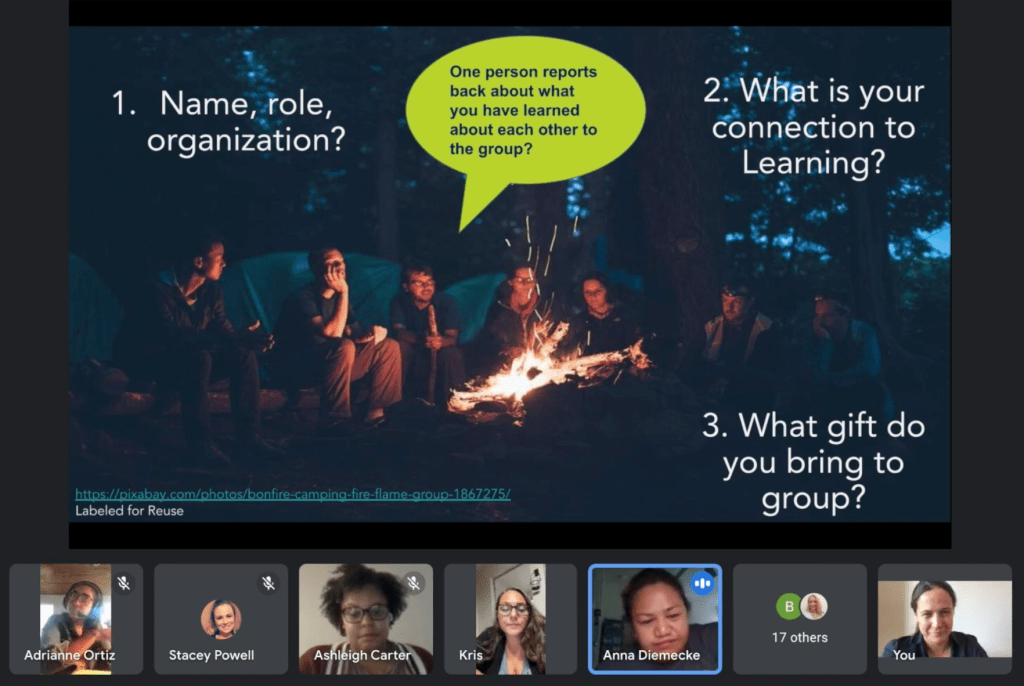
In our first class call we were asked to share what gift we bring to the course/our cohort.

I can not help but appreciate that intro discussion question about the gift we bring to this learning journey. This question about gifting taps into the passion that allows for learning naturally. I wonder how many of my adult learners (graduate students) would be willing to open up and share their answers to the same question. How about my colleagues? What giftings do they bring to the advising unit?  

Incorporating Daniel Pink’s “three factors for better performance in the workplace (autonomy, mastery, and purpose)” further provides an environment to cultivate and develop these valuable human resources (RSA, 2010). I have never considered that I have a learning environment. Through the content of this course and the program, I am beginning to identify the significant learning environment I can create in multiple areas. My students and I benefit from focusing on their learning environment from an advising perspective. I also see the benefit of creating a learning environment to foster the advising unit. Innovation can provide my audience (students/colleagues) an opportunity that comes from giving them control of the best way to process/provide information. Perhaps by tapping into the question of their gifting, they will each find the drive to continue to improve. Most of all, I want to help create an environment that produces happiness for students and advisors. From a professional perspective giving people the autonomy to communicate challenges by proposing solutions benefits the workplace culture and improves communication. This transparency further provides a foundation for building a trusted relationship between advisors and advisees customized to each learning situation or program requirement. Why not be the one that helps to create that culture? 

Videos like these are directly tied to my innovation proposal and fuel my desire to improve the systems and processes for everyone, myself included. Resources like these will continue to shape my reflections as I move toward creating my learning philosophy. 

As Sir Ken Robinson (TED, 2010) compares education to the standardization produced by a fast food model, I reflect on an undergraduate sociology text called The McDonaldization of Society. When reflecting on higher education, the author states, “the focus seems to be on how many students (the “products”) can be herded through the system” (Ritzer, 2000, p. 66). We lose humanity when all aspects of life focus on maximum efficiency and consistent output. Humans cannot be standardized, as doing so is the antithesis of customized learning, which aids natural/organic learning, growth, and personal evolution. 

In closing, the quote about dreams shared by Sir Ken Robinson (TED, 2010) reinforces my passion for advising. I have the opportunity to help solve problems, translate policy, and provide options while pointing out potential unintended consequences of those different prospects. My students are sacrificing so much to return for their degree or certification. Many students face additional examinations and licensure requirements after their academic studies. Many have families and careers while pursuing their motivations, passions, and purpose. The accomplishments that come from my students persevering in the face of life’s challenges are also dreams upon which “we should tread softly” (TED, 2010). 

References

Ritzer, G. (2000). The McDonaldization of Society (New Century Edition). SAGE Publications, Inc.

RSA. (2010, April 1). RSA ANIMATE: Drive: The surprising truth about what motivates us [Video]. YouTube. https://www.youtube.com/watch?v=u6XAPnuFjJc

TED. (2010, May 24). Bring on the learning revolution! | Sir Ken Robinson [Video]. YouTube. https://www.youtube.com/watch?v=r9LelXa3U_I