
In a prior course of the ADL Program I was tasked with reading Carol Dweck’s book Mindset, exploring the concept of a growth mindset, and developing a growth mindset plan. Feel free to review those past projects for some context on this revision and revisiting of the growth mindset.
Growth Mindset Plan
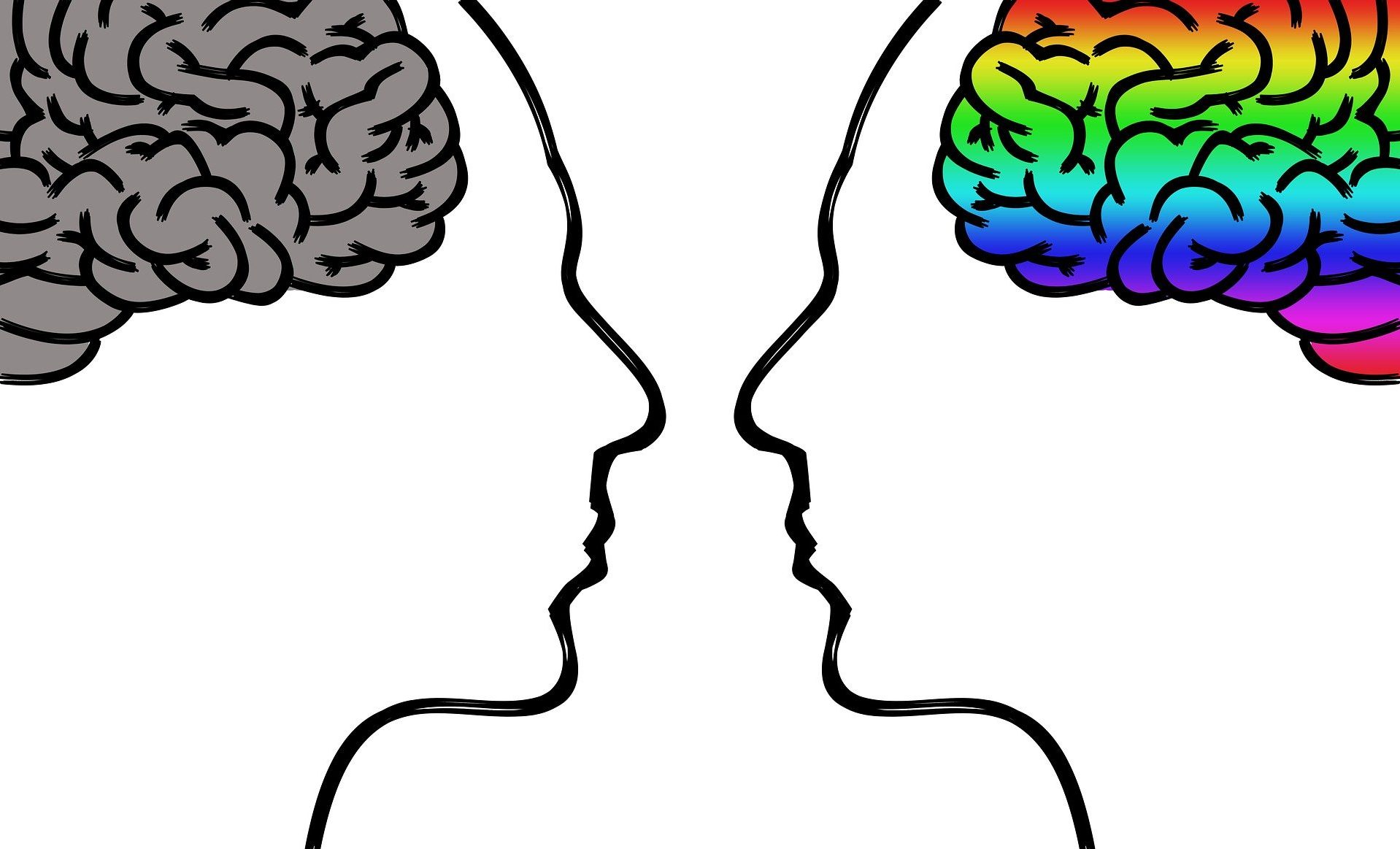
After completing the first three ADL program courses, I thought that my innovation would be chalked full of growth mindset messaging and modeling. However, the more information I absorbed this week, the more I recognized that I did not want to spend all my investments on cultivating a growth mindset in my learners. The meta-analyses, research, and other criticisms seem to illustrate that growth mindset lessons, messaging, and words alone do not lead to lasting change (Sisk et al., 2018).
We must be careful not to get so focused on a growth mindset or a good attitude about learning that we create a false growth mindset. We must be weary of praising the process if there are not improvements to learning outcomes. I believe that I will continue with my original growth mindset plans with welcome messaging and email correspondence but I am continuing to working toward the learner’s mindset as I plan and create significant learning environments.
My own learning experience teaches me that the growth mindset is a good place to start so that learners are equipped to embrace struggles and failure on the way to learning. Through my own learning experience I find myself doing everything possible to learn and absorb as many sources of information as possible on each topic with which we are presented. I seek outside resources, follow links from links, and explore references and citations for additional sources. This process allows me to create more context so that I can process for greater understanding. Both through the experience of this process and by modeling this type of learning in the environment I create, I am giving learners an authentic learning opportunity to challenge themselves, to see the benefits of learning for their own understandings, and I want to create that inquisitive place where they actively seek to understand and make sense of their learning journey/experience. As Dr. Harapnuik cautions in the Learners’ Mindset discussion without changes to the learning environment, it is difficult for authentic, meaningful change to occur in both ourselves and our learners (CSLE2COVA, 2019).
Through the creation of significant learning environments, where we provided our learners with choice, ownership, and voice through authentic learning opportunities, we can move our learners toward their learner’s mindset. We all have a natural inclination toward learning, we are hardwired to do so. We just have to realize ourselves and help our learners realize that just because they might not have enjoyed formal education in the past, they can still enjoy learning. When you start learning for your own benefit and your own real life reasons, there is a major shift that happens and no-one can take that away from you again. But the learner’s mindset has to be reinforced and exercised so that we keep our inquisitive mind asking the next why, why, why.
- https://advising.blog/2022/10/08/growth-mindset-revisited/
- https://advising.blog/2022/10/05/revisiting-reflections/
References
CSLE2COVA. (2019, April 5). LMD EP20 Growing A Growth Mindset. YouTube. https://www.youtube.com/watch?v=yR7uCZGPZ5k
Harapnuik, D. (2021, February 9). Learner’s Mindset Explained. Harapnuik.org. https://www.harapnuik.org/?page_id=8616
Sisk, V. F., Burgoyne, A. P., Sun, J., Butler, J. L., & Macnamara, B. N. (2018). To what extent and under which circumstances are growth mind-sets important to academic achievement? Two meta-analyses. Psychological Science, 29(4), 549–571. https://doi.org/10.1177/0956797617739704
 The Advisor That Cares