You are important.
Category: Why
Naval-Gazing
While reviewing this weeks content for discussion in the ADL Program‘s EDLD 5318, Instructional Design Online Learning course, I heard the term “naval-gazing.” I had to back up the video, replay it, die laughing, and then search for the meaning and origin of the term.
How have I made it this far in life without ever knowing about this Ancient Greek term (principle of Omphaloskepsis)?!?!
Now here are a few interesting observations.
I have watched this video several times, taken detailed notes, and connected thoughts several times before, never noticing the phrase.
I had to exercise and embrace the Learner’s Mindset to even seek additional information.
I could not help but draw parallels to my learning process throughout the ADL program. Without even realizing or recognizing it at the time, I was detailing the same fundamentals addressed by this discussion in the recent interview I was honored to participate in about the Learner’s Mindset.
Picturing the Finish Line
Somebody pinch me. I must be dreaming!
I have spent hours and hours watching Learner’s Mindset Discussions. Never would I ever have dreamed I would be in one! What a dream come true to sit and visit with two inspirational educators.
LMD EP47
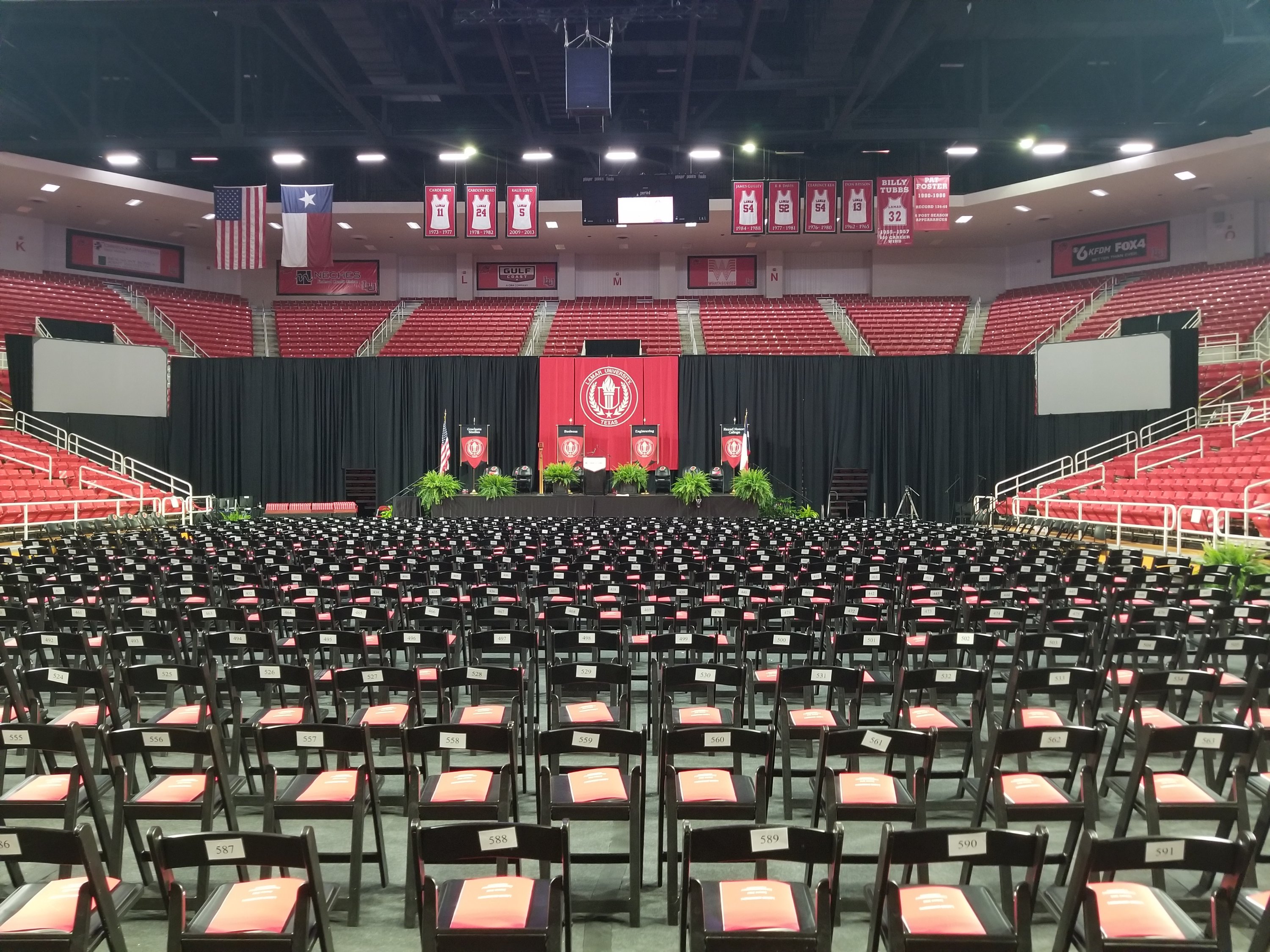
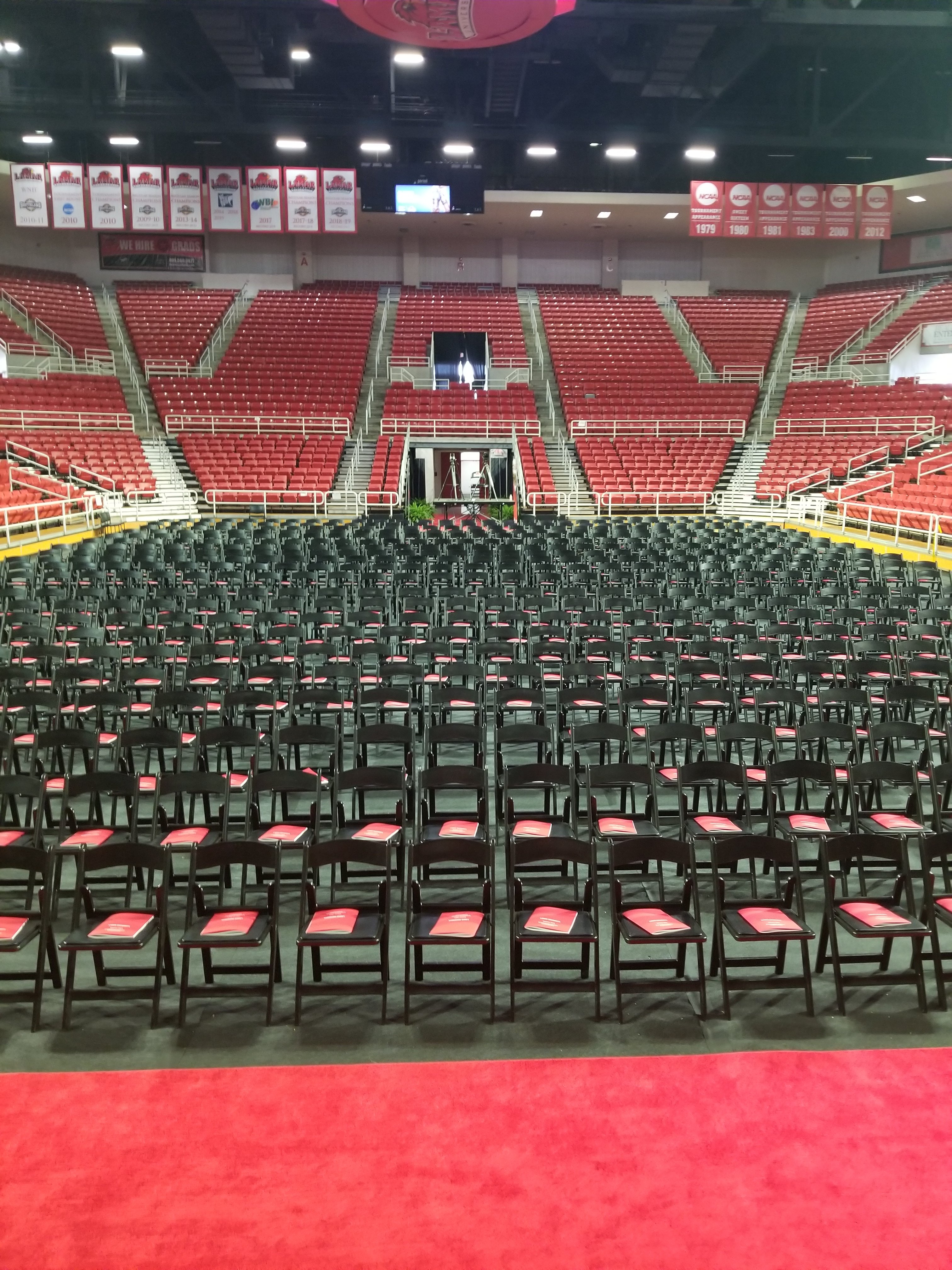
Congrats May 2023 grads!
So excited to celebrate with my fellow ADL friends! While my graduation isn’t until December, many of my fellows graduated in December, May, and August.


Believe it
You have to believe it.
Leaning into the learners’ mindset, I have to ask myself daily to believe and trust it.
I have been entirely transparent about my writing struggles. I voiced in class that I need more confidence in my understanding of the subject matter to give my analysis and knowledge of other authors’ statements and research. This lack of confidence sends me back to the research reading and collecting more information, sources, and additional research. I can cite sources all day, but when I have to draw connections between material and express my understanding, I trigger memories of my K-12 educational experience and lose confidence. Research can become my distraction technique (an observation grad school has illuminated) to avoid the vulnerability that is academic writing.
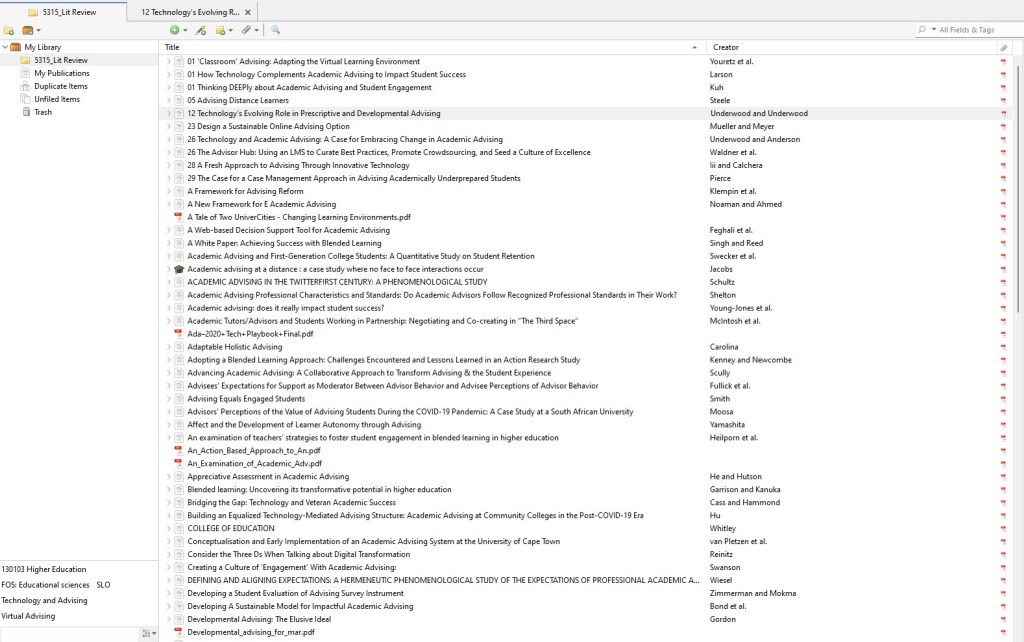
Since I have reviewed hundreds of pieces of literature on my innovation topic formally over the last year and four months but professionally for the previous nine years and ten months, this topic is truly a passion project of the heart. Born out of desperation to help students, the advocate in me also desperately wants this tool for advisors. We are in tear-filled meetings over a crisis of self-issues. Advisors watch the battle young adults face with themselves over your disappointment if they decide whether or not they are pursuing their goals and dreams or yours.
I desperately want advising to be about the transformative development I read about in the literature. I felt disappointed after my first literature review as I recognized I was not meeting the goals and standards set by my profession. I now see that I am efficient at prescriptive advising. From a medical professional background, procedural information transfer, triaging issues, and answering questions came naturally. I know how to connect students to policy and procedures. I efficiently direct them to their departmental information on degree plans and course information. I am helpful and efficient at answering questions with source links (because advisors are only as good as the accuracy of the published information). I have always had an efficiency perspective. Therefore, I formalized my advising process, communications, and documentation for record keeping.
An advising course provides advisors and students a voice to illuminate problems faced by learners as expressed through cohort/meta-major discussions and assessments. Advisors could improve resources with an advising course, grade book, discussion boards, collaborative group sessions, and modules on common issues. Flipped advising would allow that effort to improve even further through media and collaboration with an advising team. I suspect turnover is both from burnout and demoralization. Advising is a passion profession. Many interview questions touch on helping people achieve their goals. Yet it can become a repetitive process of covering the same policies, procedures, and systems instead of all the things it could be if these items didn’t consume advising interactions. The ability to extend the advising sessions and depth beyond a 30-minute advising appointment twice a semester (optimistically). How can we help transform learners’ lives in 1 hour a term? Flipped advising would help us meet those needs while also relieving us of so many of the repetitive interactions we have day after day. Those fulfilling aspects of developmental advising forge a bond between advisor and advisee. Those connections are the ones that make commencement so special and a commitment to this profession so worth it.
Advisors consistently wonder if their efforts improved outcomes, but the cyclical and reactive nature of the industry can have us moving on to the next initiative with no feedback on the last one. Smiling faces that thank you for supporting them while wearing caps and gowns sure go a long way in motivating outcomes and innovations.
So now, I need to support all those beliefs with evidence from the existing literature.
By golly, I think I understand the point of a literature review finally.
Research Fatigue


I am stuck in this place where I keep seeking more and more research. I keep questioning my search terms and the relevance of the results. I thought I was sure about my research topic, but the more I read, the more lost I felt. Every article appeals to me because I do this as my career and for personal interest in graduate school. The topic of advising is a personal passion—making the connection between research and my belief that flipping advising can improve the prescriptive aspects (terminology picked up in the research process). As a result of flipped advising, additional time becomes available to dig into developmental aspects (more understanding learned through research) of the advising relationship.
I can tell that the advising relationship is important to me. My innovation is about creating a stronger advising relationship. My frustration with the prescriptive aspects of my role drives desperation to find an effective alternative solution. I am searching to find ways that creating space by limiting information transfer components will improve advising interaction through student empowerment. Relationships and empowerment are the answers to why I am doing this research. I am proposing this innovation, and why my initial step of action research has to focus on the first prescriptive step of course registration as the example of student agency. The administration is always going to focus on enrollment. Advisors want to help students get enrolled to begin fostering an advising relationship that can guide them through their educational pursuits and also help them explore their goals and aspirations.
I struggle to find specific sources for advising’s impact on student agency. Still, several sources reference student ownership and self-efficacy, making the connection clear enough to support the literature review and my research.
When I was initially researching what a literature review is, the Smart Student suggested that writer’s block indicates the need to do additional research, so then I go and read more literature. The cycle begins again!
I’m blogging through this process because I am determined not to let it break me (this time). I am determined to see through the purpose and meaning of this research process. I feel like I’m right on the cusp of understanding the point of this torturous exercise… errr I mean, I am embracing this authentic learning opportunity.
Redefining Leadership
“Are you a leader” (TEDx Talks, 2010)?
Are you an important person in someone’s life? Maybe you need a new definition of leadership. In the following TED, Drew Dudley illustrates how powerful you might be in another person’s life without knowing it.
“Every time you change one person’s understanding of the world. One person’s understanding of how many people care about them. One person’s understanding of what they are capable of. One person’s understanding of how powerful an agent for change they can be in this world. And more importantly how powerful an agent for change they can be in their own life. Every time you change one person’s understanding of the world, you change the whole world” (Speakers Spotlight, 2019).
Leadership is about “how many [lollipop moments] you empower other people to create for themselves” (Speakers Spotlight, 2019). I plan to carry this definition of leadership with me as I create professional learning opportunities and move forward with my innovation plans.
I want to help create lollipop moments.
References
Speakers Spotlight. (2019, July 19). Recognizing the Power of Lollypop Moments | Drew Dudley [Video]. YouTube. https://www.youtube.com/watch?v=lU06fAhLKvU
TEDx Talks. (2010, October 7). TEDxToronto – Drew Dudley “Leading with Lollipops” [Video]. YouTube. https://www.youtube.com/watch?v=hVCBrkrFrBE
Advisors as Learners
I am well into my graduate program, and I see with clarity how well-designed this program has been crafted. We are living-learning opportunities that we can apply to our specific situation (Principle 5, by the way). Throughout every step of the program, I have reflected that I feel torn between two audience options (students and colleagues).
My innovation was selfishly born out of my desperate need to meet the needs of my learners (students/advisees). Feeling worn out, abused, disrespected, and undervalued as a knowledgeable resource to many frustrated students and as a professional – I desperately wanted to increase student motivation to seek information for themselves. Acknowledging the often complicated and multi-sourced ways to process information and situations, my ePortofolio sought to provide an easy-to-locate resource that consolidated all those sources by topic and included personal tips and advice that I would give during an advising appointment on the subject. I found myself so inspired (and challenged) by the UbD Template. Building understanding and intrinsic motivation into my advisees/learners through the design of every interaction opportunity. Creating a resource that is available when common questions arise to create a ubiquitous resource available anytime (i.e., peak advising season when I could have slower response times or in the middle of the night on a drop deadline).
As much as I advocate for students, I also have an advocate’s heart for my fellow advisors. I cannot even begin to describe the amount of information advisors relay. The unfortunate reality is that sometimes these professionals are underprepared and uninformed, thereby affecting students in their learning journey. I want advisors to be knowledgeable, and I want them to have connections across the institution so that we can guide students in their academic journey. As I begin to plan how to utilize going training and continual support to truly innovate advising through this first of many professional learning opportunities.
I have tried to describe my innovation to others and wondered if it is innovative. However, as I approach this professional learning task, I am seeing exactly what I had in mind for my innovation idea. As advisors experience choice, ownership, and voice through an authentic learning environment, they will have a greater opportunity to provide that for their learners/advisees. I see now that my learners are a team of advisors who have a wonderful opportunity to impact the lives of their learners. They can change the world one learner at a time.
Gentle Reminder
This weekend has been a productive weekend of reminding myself that I am a self-directed learner. You see, I have gotten myself into a stagnant rut waiting for a piece of feedback, thinking that the outcome of that decision determined whether or not I could move on to the next. You see, I had shifted my learning focus to look for the sage on the stage.
I stopped to think back on my learning process. I remember that when I encounter new material in the ADL program, I typically go to YouTube and search for videos on the topic. I typically start with the Learners Mindset or Dwayne Harapnuik channel and then branch out on tangents. In my searching and video watching on the topic of Professional Learning, I found my way to a playlist LMPL (Learners Mindset Professional Learning). This was a bit like watching a clip show because I recognized so many conversations, but it was exactly what I needed to get my head straight again.
While the guide on the side would be a welcome addition to my learning journey, it is not how I learn. Learning is up to me. I accomplish my goals by focusing on my audience, why, and innovation. Going through this playlist allowed me to think about my professional learning opportunity and really translate how I can utilize COVA+CSLE and everything I have learned and created up to this point to put together a cohesive Professional Learning Plan.
This is an overwhelmingly huge task because of the scope of my innovation project and my department’s current restructuring. There are many unknown factors, an entire culture to help build, and so much trust to win. Nonetheless, what better way to make this a truly authentic task. Not to mention having an immediate impact on my organization. Moving forward in this endeavor, I am keeping Dr. Thibodeaux’s advice in my mind. Hearing her reassurance that I “don’t have to have everything planned out perfectly” and her confirmation that I will “make adjustments as [I] go” as I identify “what works [and] what doesn’t work” finding my way as I learn “how to work with other people” (Learners Mindset, 2020, 8:40). This is something that we get to create together. It will evolve as we go, but I do not need to wait for confirmation and feedback to move forward with creating my outline and looking ahead to my professional learning plan.
Reference
Learners Mindset. (2020, May 25). LMD EP18 COVA professional learning [Video]. YouTube. Retrieved February 11, 2023, from https://www.youtube.com/watch?v=HpBIGWgMfLY
A Call to Passion
“A call to passion” is exactly what Developing Effective Professional Learning means to me. I am so excited to share professional learning with each of you! We have the overwhelming honor of helping others utilize their passions through the adventure of learning. Together.
As a student, beginning a new chapter of life can be overwhelming. You are an adult, which you have been looking forward to for as long as you can remember. But you are also stepping outside of your comfort zone. Really finding yourself. Discovering who you want to be without the primary inputs that previously surrounded you.
As advisors, we are honored to help guide students as they begin University life. My research shows that the advising relationship is significant to students’ perseverance through what can be a challenging adjustment. Nevertheless, how many times has this significance escaped you? How often have you felt like a broken record? How exhausting can it be for you and the student as you frantically attempt to cover so many things? Just a few examples come to mind like the university’s policies and procedures; system access and onboarding; information about the program, department, and academic college; outlining course options, prerequisite sequences, and electives selections; confirming career goals for major alignment, not to mention informing students of the multiple support resources and offices across campus. How often do we find ourselves desperately trying to get to know our students on the walk to our office or in the brief moments before or after the information download I just described? When are we supposed to find that moment to connect with them so that we can help them make meaning of their learning, struggles, and opportunities to grow?
We can embrace professional learning by moving away from the current professional development model. We can find personal relevance and engage passions as our mission resonates. Doing so requires that our support be ongoing. We want to give good training, but don’t want to stop there. We want to build teams with peer coaching that happens throughout implementation. We can encourage active engagement, and we can model our new skills. As we do these things, we will see an increase in adaptability to our specific situations and even more adoption of our innovation. We need frequent communication to know what is working and what needs improvement.
As we embrace this new professional learning model, we will find success in addressing challenges, improving delivery methods, and creating time and space for advisors to do what they do best, connect with students.